
PHARMACEUTICAL DRUG LOADINGPioneering the use of milk exosomes as an innovative drug delivery platform
BENEFITSUniquely powerful properties of
milk-derived exosomes (mEVs)
These nanoscale vesicles, naturally found in milk, act as inherent messengers within the body, offering an exceptional and biocompatible platform for transporting therapeutic cargoes.

Can be orally administered with high bioavailability.

Bypasses the gut-blood, vascular & blood-brain barriers, penetrating tissues and cells.

Directly homes to the site of the injury or inflammation.

Delivers cargoes into cells to activate the development or healing process.

Naturally stable, capable of long-term shelf stability.

Non-immunogenic, consumed by billions daily.

“Milk exosomes embody the potential to create a brand-new modality in drug delivery – through leveraging a naturally occurring platform, Tiny Cargo is poised to revolutionize the delivery of monoclonal antibodies, RNA therapeutics, and peptide actives- including blockbuster drugs like GLP-1s.”
Spencer Marsh, Ph.D.
Chief Scientific Officer

SERVICESPlatform-based
drug-loading
We provide pharmaceutical companies with access to our high-efficiency, functionality-preserving loading technology to enhance the delivery of their own therapeutic candidates.
Our expert team can collaborate with you to optimize exosome loading and accelerate your drug development pipeline.
A broad spectrum of cargoes
Tiny Cargo’s platform-based loading approach is versatile, capable of loading monoclonal antibodies, peptides, and RNA therapeutics.

GLP-1 Receptor Agonists
>50% oral bioavailability confirmed.

Peptides
>99% loading efficiency achieved for peptide therapeutics to date, including the modified αCT11 peptide in our proprietary drug, XOlacta.

Monoclonal Antibodies
>90% loading efficiency with monoclonal antibodies (mAbs) up to 150 kDa achieved to date.

Antisense oligonucleotides
Oral bioavailability to target tissues confirmed.
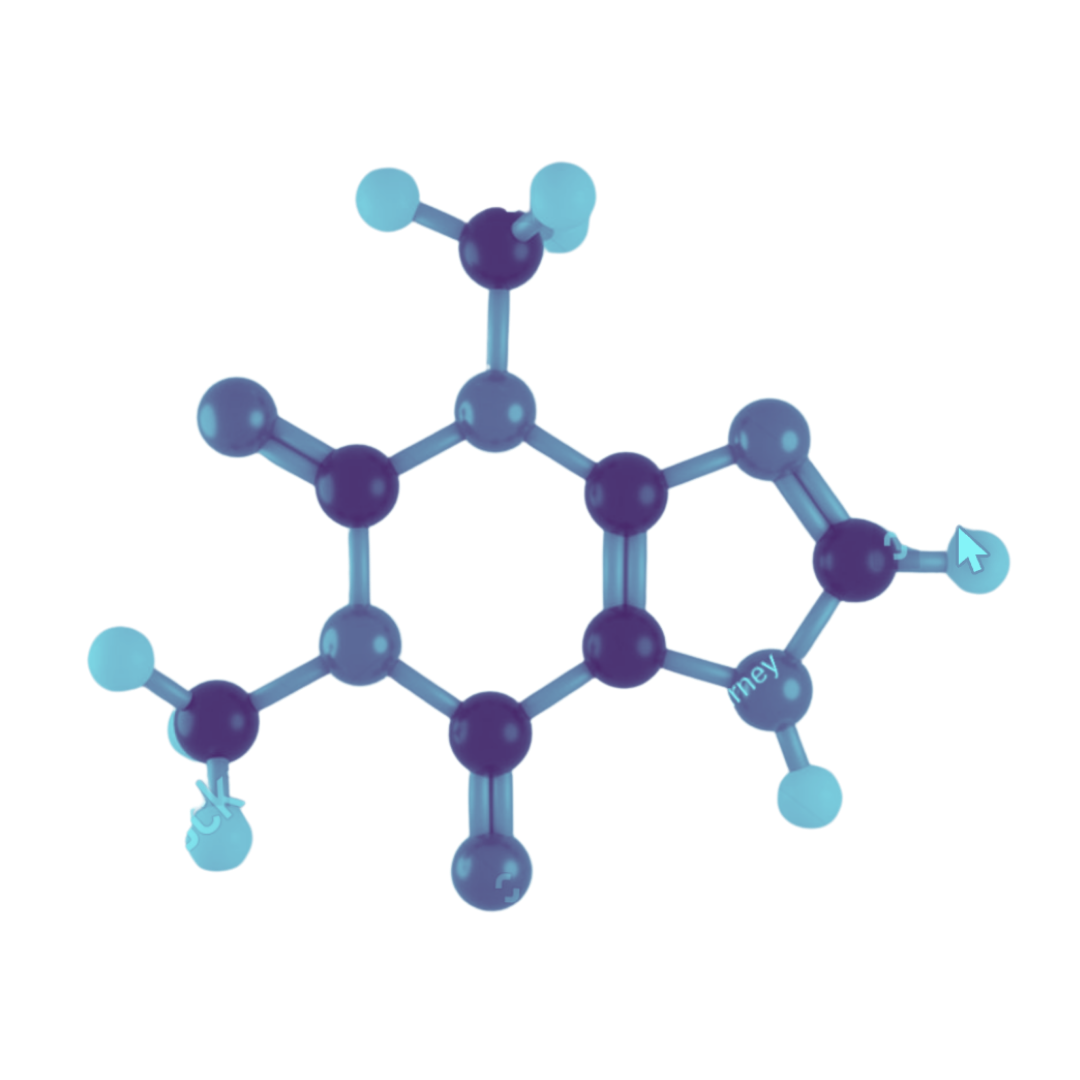
Small molecules
To date, >95% loading efficiency has been achieved for a variety of small molecules

mRNA
Loading studies in progress
Latest publications